

Understanding the Legacy of the Tomb of the Unknown Soldier
The Tomb of the Unknown Soldier holds a significant place in military commemorations around the world. It serves as a poignant memorial to unidentified service members who gave their lives in defense of their country. The historical legacy of this monument speaks volumes about the values of honor, remembrance, and patriotism.
History of the Unknown Soldier Memorial
The origins of the Unknown Soldier memorial date back to the aftermath of World War I. As nations mourned the loss of millions, the need to honor those whose identities were unknown became apparent. The United States created its own version of this solemn tribute in 1921, choosing Arlington National Cemetery as the site for the Tomb of the Unknown Soldier.
The burial site symbolically represented all soldiers who died without recognition. The first unknown soldier interred was selected from American combatants who died in Europe during WWI. His body was brought back to the U.S. in a special ceremony, highlighting the collective grief of a nation.
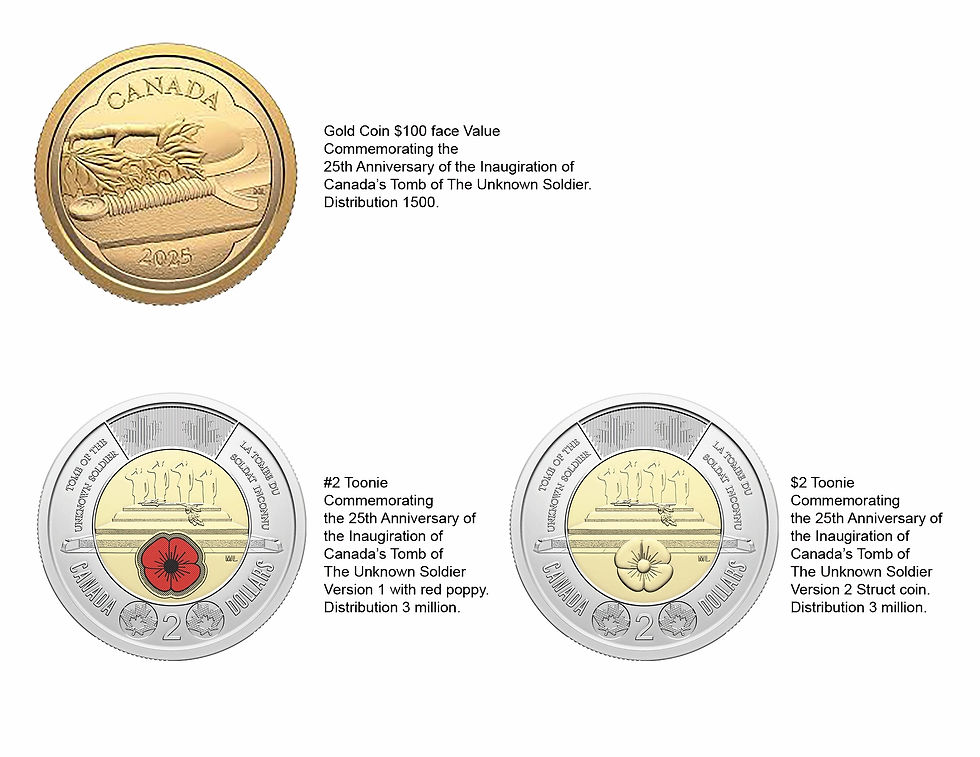
The Canadian Tomb of the Unknown Soldier lies in front of the National War Memorial, Ottawa, the nations capital. It contains the remains of an unidentified Canadian soldier who had been buried near Vimy Ridge in France — the site of a famous Canadian victory in the First World War. The Unknown Soldier represents the approximately 116,000 Canadians who gave their lives for their country, including about 28,000 soldiers whose resting place is unknown. On May 25, 2000, the Commonwealth War Graves Commission exhumed a soldier's remains during a ceremony at the Canadian National Vimy Memorial. The remains were flown back to Canada in a Canadian Forces aircraft and lay in state in the Parliament Buildings until the interment ceremony on May 28, 2000. Soil from each Canadian province and territory, as well as from France, was placed on the coffin. The tomb is a sarcophagus of granite from the Beauce region of Quebec. Its bronze overlay was created in 2000 by sculptor Mary-Ann Liu of Mission, British Columbia The inauguration of Canada's Tomb of The Unknown Soldier was the largest military ceremony in Canadian history.

The Design and Symbolism of the Tomb
The theme for Canada’s Tomb of the Unknown Soldier is based on the concept of “passage” -the transition between life and death, and the passage of time- expressed through the transitions of materials from granite to bronze. The rough forms transition into more defined, recognizable shapes from granite to bronze. Creating this flow between materials was the most significant technical challenge. The tomb consists of a branch of laurel, a symbol of victory; a crusader's sword - a broad sword symbolizing the sacrifice of war; a WWI helmet; and a branch of maple leaves, symbolizing Canada. There is a branch of bronze maple that has been ripped off, symbolizing a life taken before its time. Three of the corner pieces show the different variants of the Memorial Cross during the reigns of three Canadian monarchs since the cross' inception—George V, George VI, and Elizabeth II—while the fourth is a poppy.

The Global Influence of the Unknown Soldier Concept
The concept of an Unknown Soldier is not uniquely American. Many countries adopted this idea, establishing their own tombs to honor the unidentified fallen. For instance, the UK has the Tomb of the Unknown Warrior located in Westminster Abbey, while France has its own Tomb at the Arc de Triomphe.
These memorials serve a common purpose—acknowledging the countless sacrifices made during wars, reminding us that not all who fought have their stories told. The idea promotes unity among nations, fostering a sense of shared pain and resolve for future peace.
In modern contexts, events honoring these tombs often include ceremonial wreath-laying and moments of silence. These observances remind us of the personal sacrifices made by service members and their families.
The Tomb in Contemporary Society
Today, the Tomb of the Unknown Soldier continues to capture the hearts of many. Every year, thousands of visitors, both Canadians and those from around the globe, flock to Ottawa to pay their respects.
A significant moment occurs on Memorial Day and Veterans Day when crowds gather for ceremonies that honor military service. These events emphasize community and nation-wide gratitude for service members who have fought for freedom.
Education programs and virtual tools have emerged, allowing younger generations to understand the importance of these memorials. Schools often organize trips to the location, engaging students in discussions about patriotism, sacrifice, and the cost of freedom.

Preserving the Memory: Recommendations for Future Generations
To ensure that the history and significance of the Tomb of the Unknown Soldier live on, various initiatives can be undertaken. Here are a few actionable recommendations:
Educational Outreach: Schools and organizations should prioritize teaching about military history that includes discussions on memorials. Workshops focusing on storytelling can help young people connect to the past.
Community Engagement: Local communities can host annual events or programs designed to commemorate military service. These gatherings can include guest speakers, historical reenactments, or momentous wreath-laying ceremonies.
Preserving Monuments: Advocacy around maintaining the physical sites is crucial. Regular maintenance will preserve the dignity of these memorials and ensure they remain places of reflection for years to come.
Digital Archive: Creating online databases that host historical documents, photographs, and personal stories associated with the unknown soldiers allows the wider public to engage with the past.
Interactive Technology: Developing mobile apps or interactive displays that detail the significance of the tomb and the soldiers honored can attract an audience more familiar with technology.
Through these measures, we can not only honor the past but also cultivate a sense of responsibility towards remembering those sacrifices.
The legacy of the Tomb of the Unknown Soldier will continue as long as people strive to remember the sacrifices made by countless service members. By fostering education, community, and engagement, we ensure that the history of unknown soldiers remains an integral part of our national narrative, celebrated and cherished for generations to come.

Comments